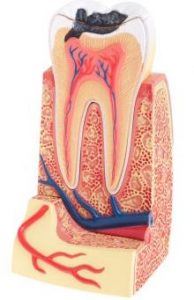
Therapeutic dentistry involves the conservative treatment of dental diseases without the intervention of a surgeon.. The section studies methods for diagnosing dental pathologies, soft tissues and mucous membranes and develops methods of treatment and prevention. The therapeutic type of dental intervention is aimed at maintaining the morphological integrity and functionality of the teeth.. This means, that after visiting the dentist's office, your tooth will remain in its place.
Modern dentistry is aimed at maintaining the integrity of the dentition, whatever question the patient asks. Today, only therapeutic intervention can be dispensed with, even in severe clinical cases.. Turning to a specialist, You will receive comprehensive diagnostic services, treatment and restoration of damaged teeth.
The main diseases in therapeutic dentistry
CARIES
Caries is the most common human disease (over 93 % people). In childhood, it ranks first among chronic diseases and occurs in 5-8 times more often, than a disease, second most common, - bronchial asthma. According to various authors from 80 to 90 % children with milk bite, around 80 % adolescents at the time of graduation have carious cavities, a 95-98 % adults have filled teeth.
According to another study, more 40% children aged 5-10 years had caries of milk teeth. One quarter of children in the same age group have never been treated for caries. Average, in Australian children aged 5-10 years available 1,5 milk teeth, affected by caries, and every fourth child under the age of 10 years old has untreated caries.
PULPIT
Pulpit - inflammation of the internal tissues of the tooth (pulp). The pulp is located inside the dental canal and contains the nerve, vessels, connective tissue cells and provides nutrition to the hard tissues of the tooth from the inside.Pulpitis develops when an infection gets inside the tooth, most often as a result of long-term caries. Common manifestations - increased sensitivity of the tooth to temperature, throbbing pain, in rare cases, it may be asymptomatic. Depending on the duration of the course, it can be acute and chronic.
Left untreated, pulpitis can lead to more than just tooth loss., but also the transition of the inflammatory process to the tissues of the jaw and sepsis (mainly in people with severely reduced immunity), so it needs to be treated. Currently developed methods, allowing to treat pulpitis, without completely destroying the pulp, that is, maintaining the viability of the nerve and supply vessels (vital amputation techniques).
PERIODONTITIS
The disease is manifested by progressive destruction of the dental cells of the processes. Symptoms of the initial stages are poor - bleeding gums, shakiness of teeth, sometimes viscous saliva, plaque on the teeth. With an active course, due to the rapid destruction of the alveolar processes, the teeth gradually fall out.
More diverse clinical manifestations in exacerbation of periodontitis: inflammation of the gums, purulent discharge from periodontal pockets, bad breath, pathological tooth mobility, their displacement. Frequent abscesses and fistulas on the gums, enlargement and soreness of the submandibular lymph nodes. Chronic course with frequent exacerbations of periodontitis may be accompanied by microbial allergies..
Our services
Rident clinic services cover almost everything, what is currently in this field of medicine. Here are the most requested ones:
Consultation of a dentist-therapist, conducting a comprehensive examination, joint consultations with an orthopedist, surgeon, drawing up a treatment plan;
Caries treatment, pulpit, periodontitis, stomatitis and other dental diseases;
Professional oral and dental care, which includes teeth cleaning and polishing, cleaning gum pockets;
Aesthetic restoration of the crown part of the teeth, crowns of frontal and chewing teeth;


 prevention. The therapeutic type of dental intervention is aimed at maintaining the morphological integrity and functionality of the teeth.. This means, that after visiting the dentist's office, your tooth will remain in its place.